

Earth Day Plumbing Tips To Help Homeowners Go Green
Plumbing technology has come a long way in the last few decades. Improvements have been made in functionality, ease of installation, and aesthetics. But more importantly, designers and manufacturers are constantly making innovations for more efficient, eco-friendly plumbing fixtures. These are designed not only to conserve water and energy but also to help homeowners save money on utilities and repairs.
And since the industry is transitioning more and more toward these new fixtures and “green” practices, being environmentally responsible is more affordable than ever. Here are three of the best ways homeowners can make their plumbing systems more eco-friendly.
Pipe Material Makes a Difference
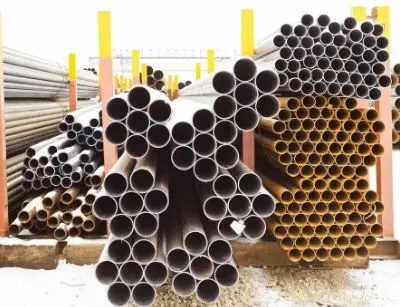
PEX piping is increasing in popularity because it is naturally insulating, easy to install and retrofit, and inexpensive. Using PEX for hot water lines means less heat loss, which means less energy is used for heating water, and less water is wasted while waiting for hot water to arrive at a given fixture.
Install Water-Saving, Low-Flush Toilets
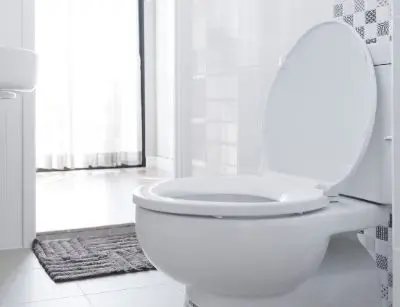
Pre-1990s toilets use anywhere from 3.5 to 7 gallons per flush. Standard toilets of today use only 1.6 gallons with each flush, which is a massive improvement. But high-efficiency toilets that bear the EPA’s “WaterSense” label are even better, using 1.28 gallons or less.
Upgrade To an Energy-Efficient Water Heater
Some of the most impressive eco-friendly innovations made in recent years have been in the realm of water heaters. There are several types available, each with a unique method of conserving energy and reducing greenhouse gas emissions. Some feature heavily insulated glass-lined storage tanks to minimize heat loss. Others use solar panels or draw thermal energy from a heat pump to augment their water heating. Tankless or “on-demand” water heaters conserve energy by only heating water as needed.
The ideal type for a particular home will largely depend on the size of the family and the average amount of hot water used in a day, so it’s a good idea to talk to a local plumber for a professional assessment and recommendation of an Energy Star water heater.
About Lodder Brothers Limited
The friendly experts at Lodder Brothers Limited have been handling the commercial and residential plumbing needs of Kitchener, Ontario, since 1975. Their customer-focused, community-oriented approach has earned them numerous awards and 5-star ratings. They provide up-front, competitive pricing, 24-hour emergency service, and a 2-year guarantee on all repairs.