
The History of the Toilet
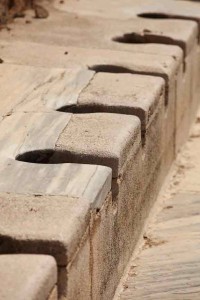 A toilet is nothing but a plumbing fixture used by people to relieve themselves in. Its invention has done so much to the whole world by promoting health and hygiene.
We always ignore this humble invention, but if we knew its history, we might be more appreciative of its creation.
Here is how the toilets evolved:
- In 3,000 BC, Communities on the Scottish mainland featured stone huts outfitted with drains protruding from indentations in their walls.
- In the Indus Valley civilization sometime in 2,600 BC, streets were built on a grid pattern and networks of sewers were dug under them.
- In 1,700 BC, people in Greece had large, earthenware pans attached to a water supply that flowed through terra-cotta pipes.
- Sometime in 206 BC, a toilet was discovered in the tomb of a Chinese king of the Western Han Dynasty.
- Ancient Rome is famous for its public bath houses. But during those times, they threw their waste onto the streets.
- During the 11th-century in Medieval England, chamber pots were supplemented with a protruding room with a tiny opening.
- In the Middle ages, pits in the ground were fitted with seats and served as toilets. Monks from the 12th century built stone canals leading to the sea and waited until the tide would flush away the sewage.
- In 1596, Sir John Harrington, designed and invented a flushing lavatory with a cistern for Elizabeth I of England.
- In 1775, Alexander Cummings was granted the patent for the flushing toilet.
- The flushable toilet became the convention at the end of the 18th century.
- During the 1800s, people realized that poor sanitary conditions caused diseases.
- Indoor plumbing could be found only in the homes of the rich and the better hotels until 1840.
- The toilet bowls were originally boxed in, but in 1884, the first pedestal toilet bowl was made.
- Flushing toilets were a luxury at first and they did not become common till the late 19th century.
- Toilet designs started changing away from the elevated water tank into the modern toilet with a close tank and bowl in the beginning of 1910.
 Toilet pans were made of porcelain during the 19th century. Seats were made of wood and cisterns were emptied by pulling a chain.
- Inside toilet was a luxury in the 19th century. Working class homes almost always had external lavatories. It took decades before inside toilets became universal.
- Bathroom technology took off in the 20th century with the introduction of valves that are flushable and water tanks that are placed on top of the bowl.
- Today, many people in poor countries still do not have adequate sanitation.
 Toilet pans were made of porcelain during the 19th century. Seats were made of wood and cisterns were emptied by pulling a chain.
The End Result of History
We can't help but appreciate the importance of the toilet invention to mankind when we think of how it used to be. The history of the toilet should convince us that we should take the plumbing industry seriously because of the vital influences it has made to make lives safer and more comfortable for everyone.
If you live in the Guelph area, and are having toilet troubles, Call Lodder Brothers at (226) 780-4479 and find out how you can get your toilet back!
